
The Struggle for Economic Survival
The Captain and Ann BarbaraThe long strain of poverty that followed the Antin family from Polotzk through the slums of Boston and finally relaxed through education.
increasing Bearing strength in each event
 decreasing
Bearing strength in each eventdecreasingProsperity in Polotzk
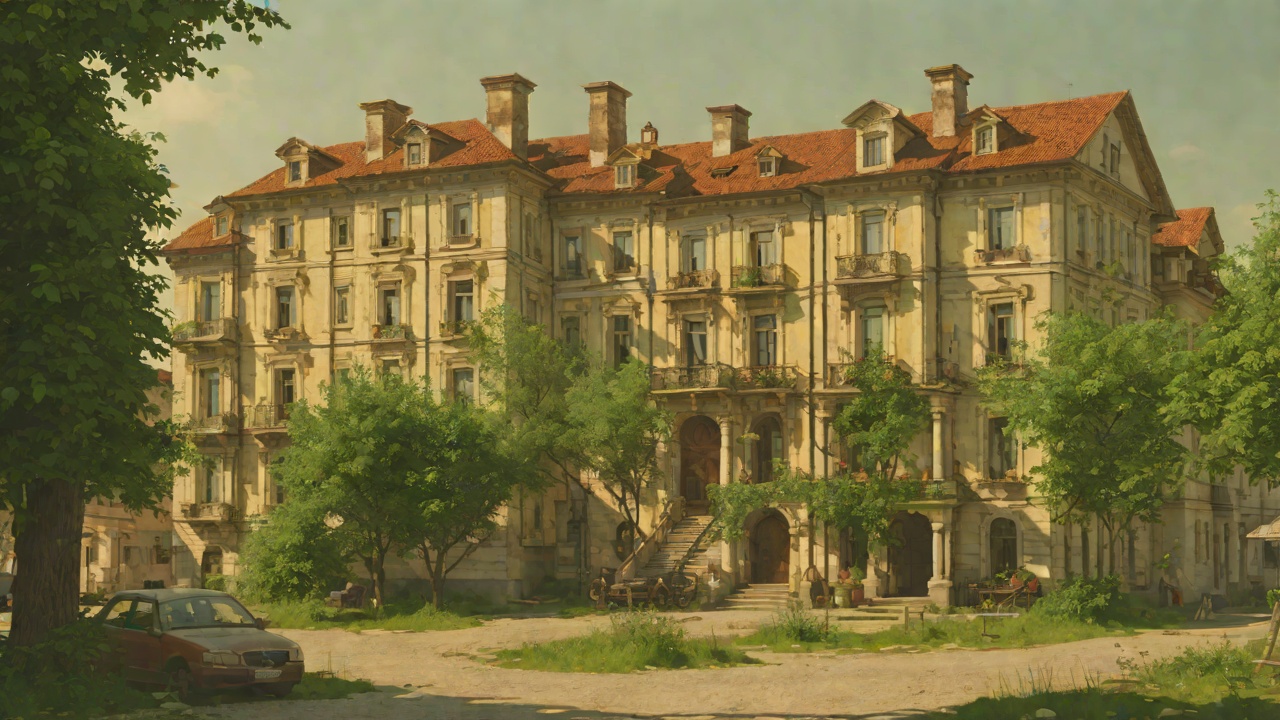
Prosperity in Polotzk
The Well-to-Do Household
The Antins had a good business, a large house, servants, and a place among the best in Polotzk. Children wore fine clothes and ate cheese cakes on Saturday nights.
The Shop and the Sabbath
The family kept open house for merchants and guests, while the store supported them. Raphael the Russian's grandchildren were known as aristocrats.
The Fragility of Fortune
This security rested on health and trade. Both were soon to fail.
Illness and Ruin
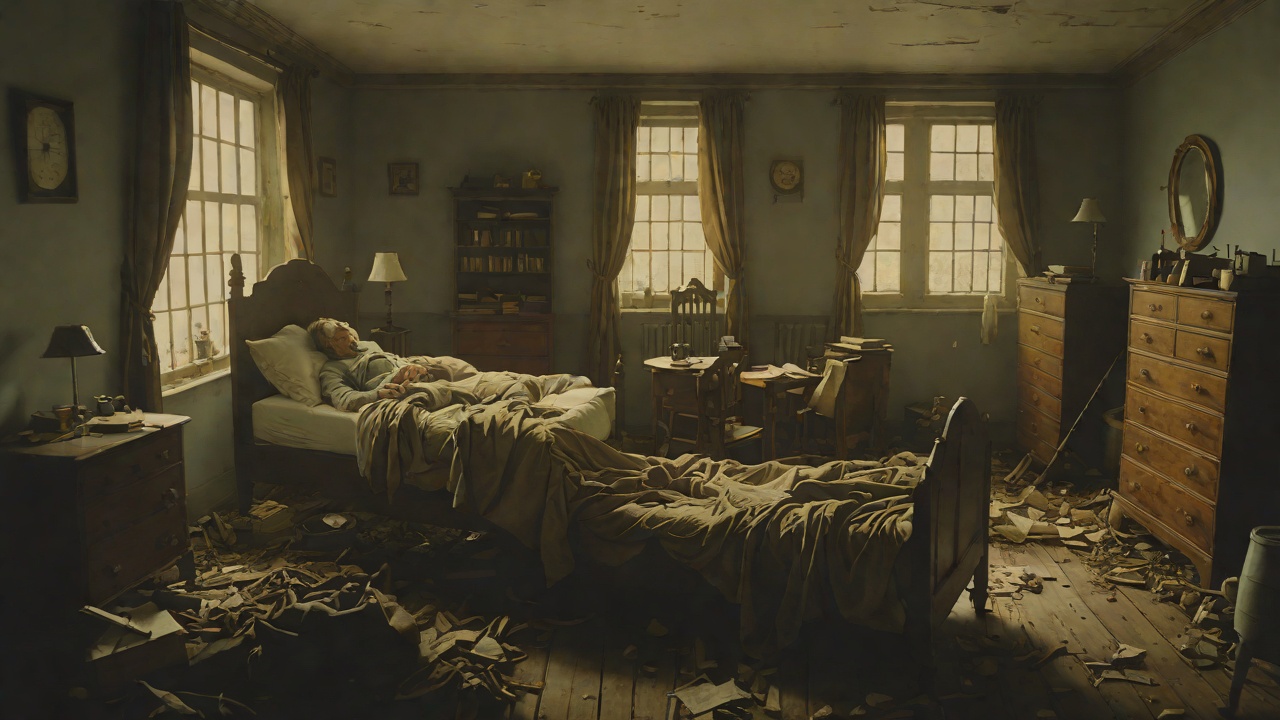
Illness and Ruin
The House Becomes a Hospital
Pinchus fell ill, Hannah Hayye lay in bed for two years, and the children sickened in turn. Money drained away to doctors and apothecaries.
Pawned Silver and Satin
The silver candlesticks, the featherbeds, and the mother's satin dress were sold. The family sank from wealth to a hired room.
The Turning Point
After partial recovery, Pinchus took a mill supervisor's position and the family briefly revived. Then the mill was lost and poverty returned.
Father's False Starts in America
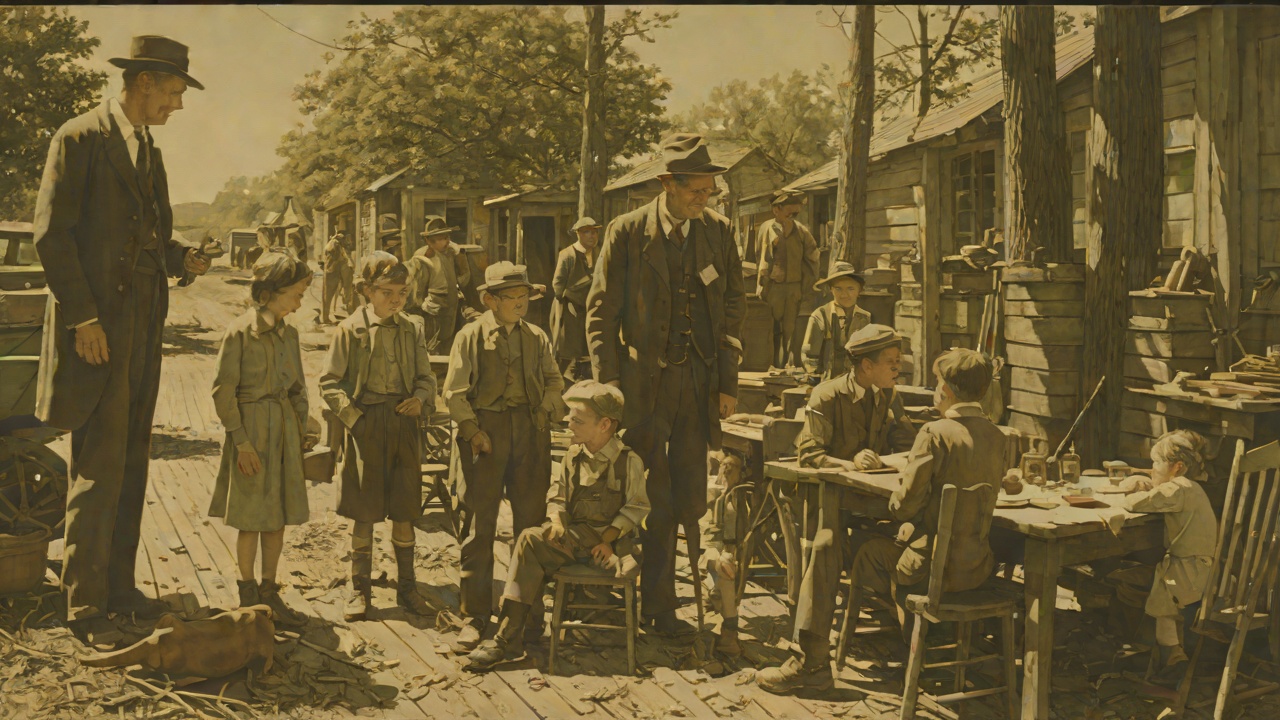
Father's False Starts in America
The Greenhorn's Apprenticeship
Pinchus arrived with empty pockets and untrained hands. He peddled, worked, and failed as thousands of immigrants did.
The Sordid Drama
The man with the untidy beard carried citizenship papers in his bosom. He could not make a living in the new land.
The Vision Remained
Though business failed, his conviction in education never wavered. He sent for his family to begin the real American work.
The Chelsea Grocery on Arlington Street
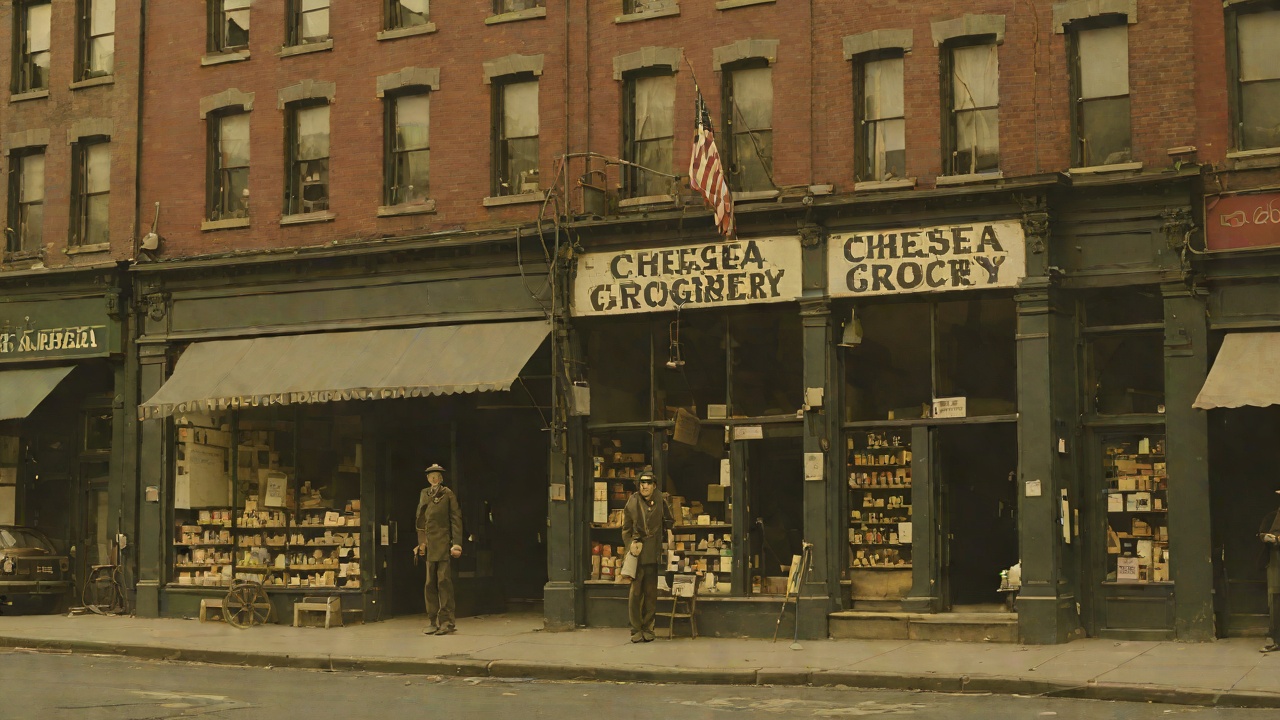
The Chelsea Grocery on Arlington Street
The Basement Store
Pinchus rented a tenement with a store in the basement, put up a sign reading Strictly Cash, and gave credit indiscriminately. Hannah Hayye weighed and measured while learning English.
The Cosey Kitchen
The kitchen behind the store became the family's centre. Customers waited while the storekeeper salted the soup.
A Thin Smile of Fortune
Pinchus said, "One makes a living," with a shrug. Mary felt free to devote herself to school.
Wheeler Street and Dover Street Poverty
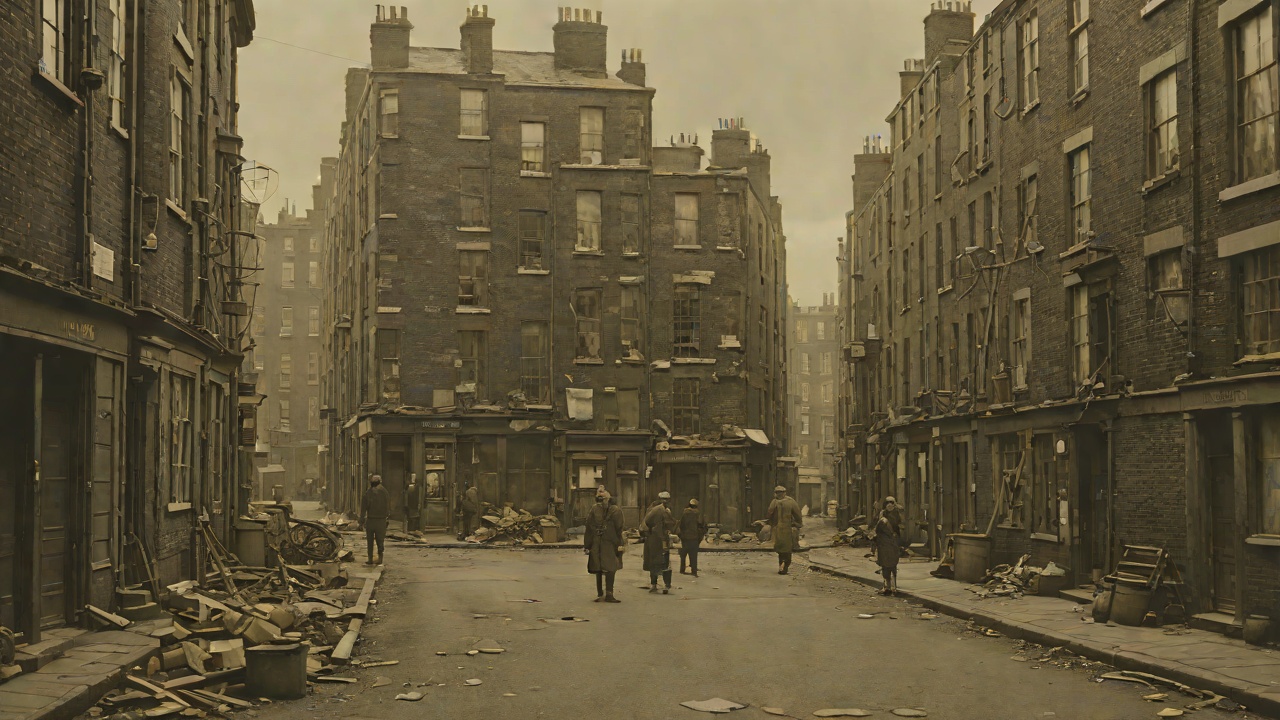
Wheeler Street and Dover Street Poverty
The South End Slums
The family moved from Wheeler Street to Dover Street, each tenement cheaper than the last. Rent was always in arrears and Mrs. Hutch came on Saturday.
Joseph's Newspaper Money
The only steady income was Joseph's earnings from selling newspapers. Pinchus aged as he offered himself for any work at a boy's wages.
The Dragon Poverty
Mary rebelled against the vulgarity of the slums and escaped to the public library. Poverty was a superficial, temporary matter if education could be seized.
Familial Investment in Mary's Future
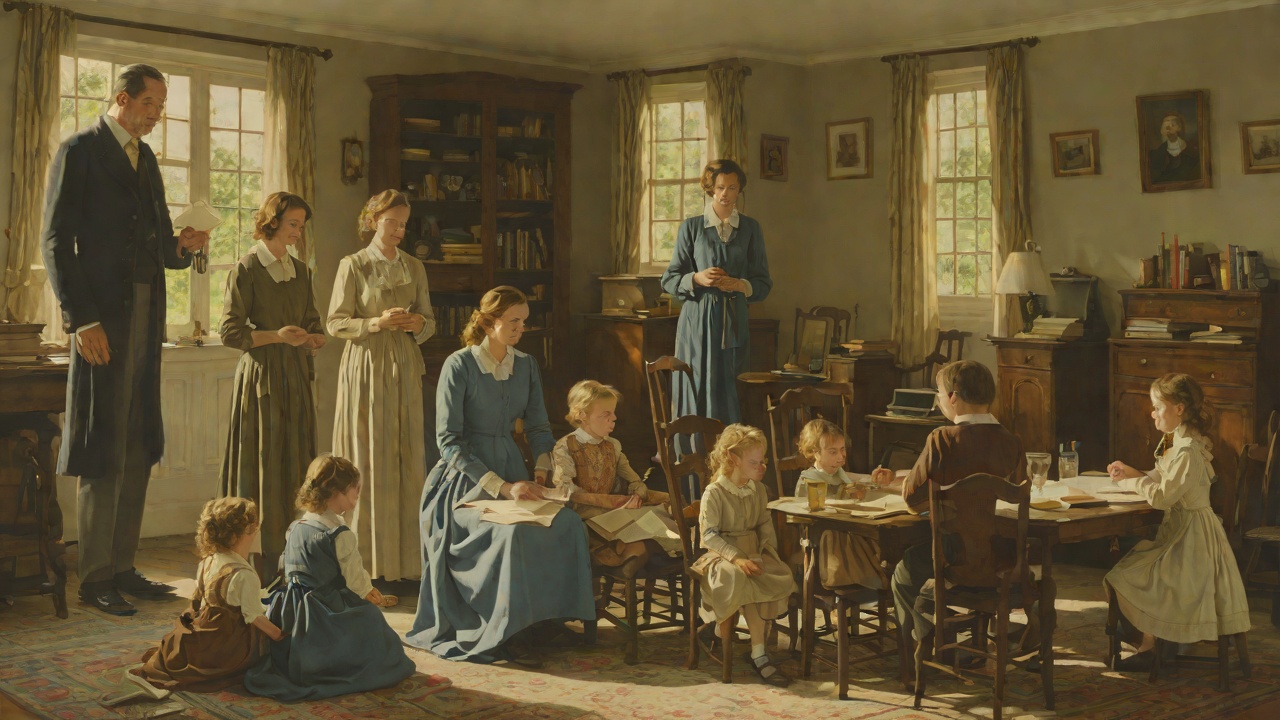
Familial Investment in Mary's Future
The Sacrificial Choice
The family kept Mary in school while Frieda worked and Joseph sold papers. Rosenblum the grocer extended credit without complaint.
The Immigrant Ethic
A promising child was an investment in the future. The grocer and his wife pulled Goldie aside to point to Mary as an example.
The Debt Repaid
Mary eventually earned enough to pay Mrs. Hutch the arrears. The family's faith in education proved its worth.
before the family illnesses
a long chapter of years in Polotzk
the three years Pinchus lived in Boston before the family joined him
after the move from Crescent Beach to Chelsea
the years in the South End slums
throughout the Dover Street years
